
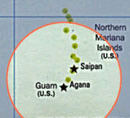
The Department of Homeland Security (DHS) has announced that it is suspending, effective Oct. 30, the CNMI Economic Vitality & Security Travel Authorization Program (EVS-TAP). This is the visa-free travel program for People’s Republic of China (PRC) nationals visiting the Northern Mariana Islands.
What was EVS-TAP?
EVS-TAP allowed eligible PRC nationals to visit the CNMI, including Saipan, for business or pleasure for up to 14 days without obtaining a U.S. visa. Travelers needed advance electronic authorization from U.S. Customs and Border Protection (CBP). By regulation, the authorization did not permit travel to Guam or other parts of the United States.
What happens to existing approvals and visitors?
The suspension covers both new applicants and existing EVS-TAP approvals. An approval’s original expiration date will not preserve eligibility to travel under the program. However, travelers already admitted under EVS-TAP and lawfully present when the suspension takes effect may finish their authorized stays. Future visits require an appropriate visa unless another lawful exception applies.
For visitors already in the CNMI, preserving the current stay does not create a right to extend it. The regulations prohibit ordinary extensions of stay and changes of nonimmigrant status for EVS-TAP entrants. They contain a limited emergency provision allowing CBP, in its discretion, to grant up to 15 days for satisfactory departure.
Why is DHS suspending the program?
The DHS announcement cites national-security and enforcement concerns, including:
- potential espionage and intelligence collection directed against sensitive U.S. defense infrastructures in the region, including at the Tinian Air Base being restored in CNMI
- unauthorized onward travel to Guam
- birth tourism, and
- money laundering and labor abuses involving PRC-linked enterprises.
The regulations expressly authorize suspension of EVS-TAP for good cause, including security and law-enforcement risks. That authority appears in 8 C.F.R. § 212.1(r)(3).
How can Chinese nationals visit after the suspension?
For ordinary tourism or qualifying business visits, the usual visa categories are B-2 and B-1, respectively, often issued together as a B-1/B-2 visa. Applicants generally complete Form DS-160 and follow the applicable consular application procedures. They should be prepared to explain their travel purpose, plans to depart, and ability to pay for the trip. A visa permits a traveler to request admission; CBP makes the admission decision.
PRC passport holders using a 10-year B-1, B-2, or B-1/B-2 visa also need valid Electronic Visa Update System (EVUS) enrollment. EVUS and EVS-TAP are separate systems: EVUS is an additional requirement for covered visa holders. Enrollment generally must be updated every two years, or earlier upon obtaining a new passport or covered visa.
Leave a Reply